


Key Takeaways
- Deciding what to put on a dessert table starts with choosing a clear centrepiece.
- Contrasting textures, flavours, shapes, and formats keep the selection varied.
- Sweet and savoury choices help prevent flavour fatigue.
- Height, spacing, and colour cohesion create a spectacular event dessert display.
- At Alice Boulangerie, we also consider guest flow, serving format, replenishment, and how each item will sit together on the table.
Introduction
A dessert table often becomes the part of a celebration guests notice first,, but placing several cakes and pastries together does not automatically create an appealing spread. Similar items can feel repetitive, while overcrowding may make desserts difficult to see and serve.
Understanding what to put on a dessert table involves looking beyond quantity. Each item should contribute a different flavour, texture, colour, or serving function. A whole cake may act as the centrepiece, individual pastries support self-service, and savoury bakes can balance sweeter choices.
At Alice Boulangerie, our events team starts by considering the event purpose, visual direction, guest profile, and serving flow. We also look at the available table space, event duration, and whether the spread needs to remain presentable over several hours. We also work closely with our pastry chef to understand your vision, explore suitable flavour combinations, and consider how to bring different elements together.
Start with a Clear Centrepiece
A defined focal point provides a reference for arranging the rest of the table. A whole cake works well because its height and structured form immediately attract attention.
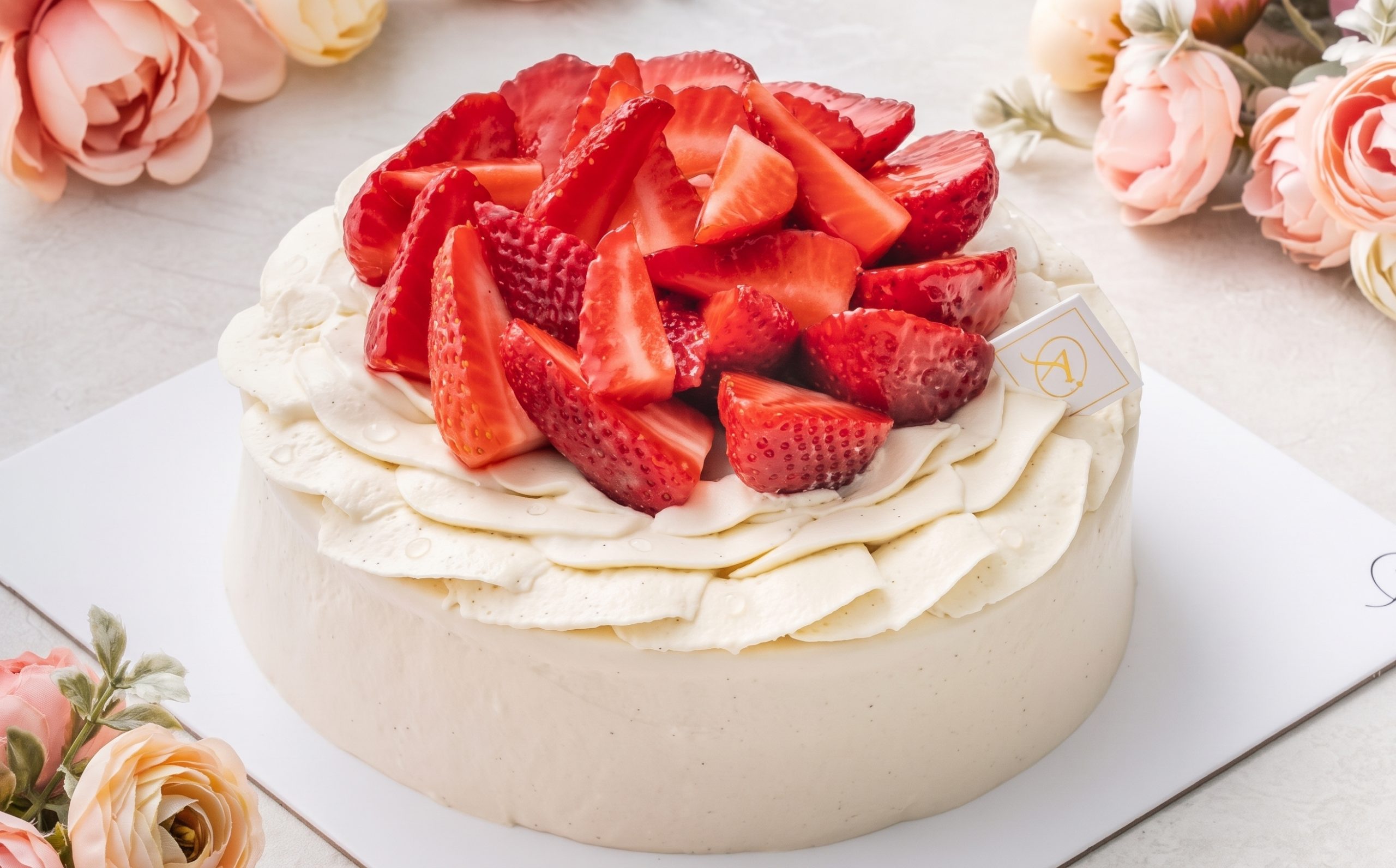
Strawberry Shortcake, Bloom, or Ispahan can each bring a different character to the display. Once the centrepiece is chosen, positioning the cake near the centre or slightly towards the back allows smaller pastries to lead towards it without blocking the view.
Beyond appearance, we consider how the cake contributes to the dessert table’s overall aesthetic while remaining suitable for the event environment. Our team focuses on:
- Visual appeal for photography: The cake’s design, colours, and decorative details should complement the celebration theme and create an attractive focal point for photographs.
- Stability in the event environment: We consider the venue’s temperature, whether the event is held indoors or outdoors, and how long the cake will be displayed, as these factors can affect its structure and appearance.
- Overall dessert table presentation: The cake should complement the surrounding pastries, desserts, and decorative elements, creating a cohesive display with a balanced arrangement of colours, heights, and textures.
A well-finished artisan cake can also guide the colour palette and overall tone of the dessert table arrangement.
Build Variety Through Texture and Format
After the centrepiece sets the direction, the surrounding items should add contrast rather than repeat the same experience. A selection becomes more interesting when each dessert provides a noticeably different experience.
A Creamy Chicken Choux introduces a soft pastry shell with a savoury filling, while a Truffle Mushroom Mini Toast adds a firmer, crisp texture. Paprika Prawn Mini Quiche brings a more substantial bite, while Lemon Meringue Tart adds a lighter, sweet and refreshing contrast.
As an artisan bakery, we do not treat variety as simply adding more items. We carefully consider how different pastries complement one another in flavour, texture, appearance, and suitability for guests of different ages. Each selection contributes something distinct to the spread:
- Laminated pastries bring lightness and flakiness.
- Choux pastries add softness, creaminess and colourful presentation.
- Tarts introduce colour and firmer bases.
- Loaf cakes provide shareable slices and classic and familiar flavours.
- Savoury buns give guests a break from sweetness.
This helps keep the overall dessert spread cohesive while giving each item a clear role.
Once texture has been considered, serving format also matters. Individually portioned pastries allow guests to pick up items quickly, while Banana Chocolate Loaf or Lemon Pound Cake can be sliced gradually. A whole celebration cake creates a shared cake-cutting moment.
Combining these formats helps you decide what to put on a dessert table according to how the event will unfold.
Balance Sweet and Savoury Choices
After texture and format, flavour balance becomes important. A table made entirely from rich desserts can become overwhelming during a longer celebration, so savoury choices can give guests a pause between fruit, chocolate, cream, and caramel-led options.
In past corporate and boutique catering experiences, we have planned menus around the time of day, event duration, and how guests move through the venue. For one luxury boutique activation, we developed bite-sized savoury items that could be served throughout an 11-hour event, with an onsite chef finishing the canapés and butlers circulating them among guests.
This same thinking applies to dessert tables. A mid-morning event may need lighter bakes, while an afternoon or evening celebration can include richer cakes and more indulgent pastries.
Creamy Chicken Choux or Paprika Prawn Mini Quiche may suit guests who prefer something more substantial. For a more canapé-led table, we may also consider Pesto Burrata and Tomato Tartlets, Truffle Mushroom Mascarpone Tartlets, or Creamy Tiger Prawn Choux.
However, the savoury component does not need to dominate. One or two varieties can provide enough contrast while keeping cakes and pastries central. This gives guests options for different appetites without overcrowding the table.
Use Height and Spacing to Create Visual Depth
Once the selection is clear, the way each item is displayed affects how the table feels. Our event setups often consider not only how the table photographs, but also how guests approach, serve, and move around it.
Smaller items such as Lemon Meringue Tarts, Petite Yuzu Apple Tarts, or Truffle Mushroom Mascarpone Tartlets can sit on raised stands, while larger shareable items remain closer to table level. The arrangement should feel deliberate, not difficult to use.
Before finalising the layout, our team checks whether:
- Guests can reach each item comfortably
- The table still looks full after guests begin taking items
Spacing is just as important as height. Visible gaps between groups allow each pastry to retain its shape and give guests room to use tongs. Instead of placing every croissant in one pile, divide them into smaller groups and position contrasting items between them.
For tighter venues, we may also recommend smaller batches with replenishment rather than placing everything out at once. Our event experience includes adapting buffet layouts around restricted serving areas and guest movement.
Maintain Colour Cohesion
Alongside height and spacing, colour helps the display feel intentional. A controlled palette allows different desserts to appear connected, even when their flavours and formats vary.
We have created themed catering displays where pastry colours, decorative details, flowers, branded elements, and table styling were considered together. For an office reopening, for example, we created a floral-themed breakfast with bi-coloured croissants, cupcakes, flowers, and a customised chocolate featuring the company logo.
Begin with the colours of the centrepiece, then repeat one or two tones elsewhere. A strawberry-led cake may pair with berry garnishes and pale pastries, while a neutral cake can sit among golden croissants, cream-coloured choux pastries, and lightly glazed loaf slices.
Colourful items such as Lychee Rose Macarons, Petite Yuzu Apple Tarts, or Calamansi Cake can introduce contrast, but we would use them selectively. Too many brightly finished desserts may compete for attention and make the table feel visually busy.
Adapt the Table to the Occasion
The event itself should shape what to put on a dessert table. A birthday, wedding reception, corporate gathering, and family celebration may require different flavours, quantities, and serving formats.
Minimalist occasions suit a restrained palette and fewer structured pastries, while more playful celebrations can embrace brighter colours and varied shapes.
Before we finalise a selection, we consider:
- The event timing and duration
- The expected number of guests
- Whether the table follows a full meal
- Dietary requirements
- The available storage and serving space
- Whether the display needs replenishment
Reviewing the full range offered by the pastry shop’s can also help you choose flavours, textures, and portions that complement one another naturally.
Manage Quantity Without Overcrowding
Once the items are chosen, the next step is deciding how much to display. A smaller, curated selection often looks more intentional and makes the table easier for guests to navigate than a spread filled with similar items.
One flaky pastry, one choux-based dessert, one fruit-led option, one richer bake, a shareable loaf, and a centrepiece cake may offer more meaningful variety than several closely related sweets.
Additional portions may still be needed for larger events, but they do not all need to appear at once. Displaying a smaller amount and replenishing it keeps the table organised.
We also adjust quantities according to how the event is structured. Guests may eat fewer desserts after a full meal, while an afternoon reception may need more pastries, buns, and individual pieces.
Support Smooth Guest Flow
Finally, consider how guests will move around the table. This is especially important when the dessert table is part of a corporate event, boutique activation, office reopening, or reception with limited space.
Place popular pastries and buns near the front or outer edges of the table so guests do not need to reach across the centrepiece.
Keep plates at the starting point and napkins towards the end. Labels can identify flavours and fillings, although guests with allergies should confirm ingredient details directly.
For larger events, we also assess access, table configuration, setup timing, and replenishment needs before service begins. This allows us to adjust the layout rather than leaving the host to manage these details during the event.
Creating a Balanced Dessert Table with Alice Boulangerie
Knowing what to put on a dessert table comes down to balancing visual direction, contrasting textures, suitable quantities, and practical serving. Each cake, pastry, bun, or loaf should contribute a clear role rather than simply filling space.
Alice Boulangerie’s experience with corporate breakfasts, festive catering, branded displays, boutique activations, and customised dessert stations shapes how our team approaches each table. Our bespoke work can include customised desserts, branded elements, styled displays, serving equipment, and on-site service depending on the occasion.
We can help balance richness with freshness, whole cakes with individual pieces, and sweet items with savoury contrast.
Speak with us to curate a dessert table around your event format, guest count, flavours, visual direction, and serving needs.