



Key Takeaways
- Understand the difference between artisan bread and regular bread by looking at fermentation time, handling, crust, and crumb structure.
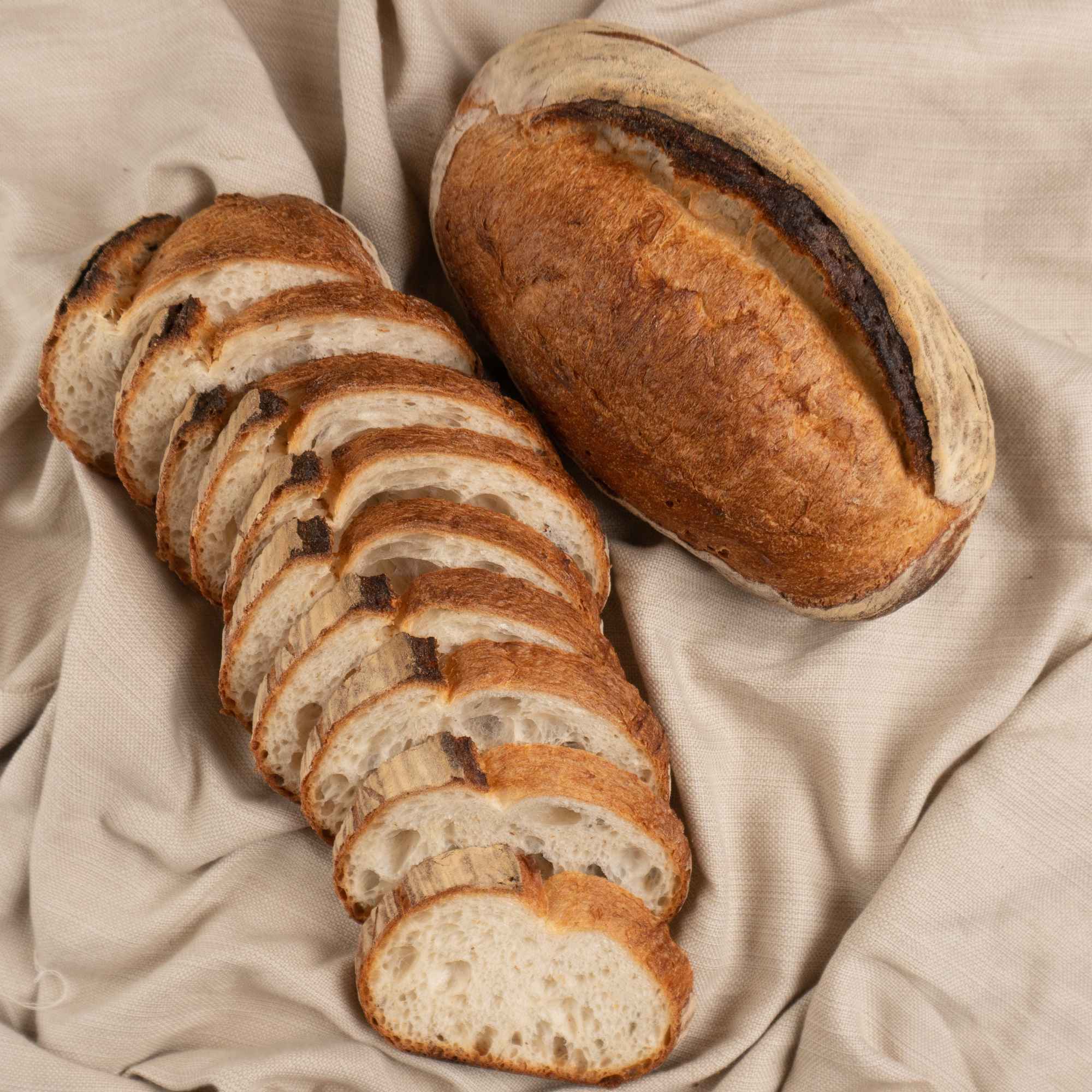
- Expect artisan bread to show more variation in shape, texture, and internal air pockets, while regular bread is usually softer and more uniform.
- Look for careful folding, resting, and shaping, which help artisan bread retain air and develop structure.
- Choose artisan bread for sharing, dipping, and pairing when you want more texture, while softer regular bread may suit toast and sandwiches.
- At Alice Boulangerie, we work with different bread styles, including sourdough, focaccia, shio pan, cinnamon rolls, and baguettes, each with its own handling and serving qualities.
Introduction
The difference between artisan bread and regular bread becomes clearer when you consider how each loaf is made and how it feels when eaten. Artisan bread generally places greater emphasis on time, careful dough handling, and natural fermentation to develop its flavour, crust, and crumb structure. At Alice Boulangerie, our artisan breads are made without preservatives or bread improvers, relying instead on carefully developed recipes, controlled fermentation, and skilled baking techniques to achieve their intended flavour and texture naturally.
It often develops a structured crust and a more varied interior, while regular bread generally remains softer and more even throughout.
We look at how fermentation time, dough strength, shaping, and baking work together. These stages influence the loaf’s crust, crumb, flavour, and how it should be served.
Understanding these factors can help you recognise why the two bread styles differ in structure, texture, and appearance.
The Role of Time in Bread Development
How Extended Development Shapes Artisan Bread
Artisan bread is typically developed over a longer period, allowing the dough to change gradually. This extended fermentation gives the internal structure more time to form and stabilise. As the dough rests, naturally occurring enzymes begin breaking down starches into simpler sugars. This can produce deeper aromas, more developed flavour, and better browning during baking.
For us, the key isn’t simply leaving dough for longer. At Alice Boulangerie, we invest considerable time in research and recipe development to determine the most suitable fermentation conditions and handling techniques for each type of bread. We carefully monitor changes in dough strength, temperature, and fermentation activity, refining our methods to ensure each loaf has the time and process it needs to develop its intended flavour, texture, and structure naturally.
This gradual development is one of the clearest factors behind the difference between artisan bread and regular bread.
Why Shorter Processes Lead to More Uniform Bread
Regular bread is often produced using shorter methods and bread improvers that prioritise speed and consistency. These methods can create a soft, even loaf with a predictable texture, but the flavours and fragrance may be less developed.
You may find this type of bread selling conveniently below the HDB blocks and even in shopping malls for everyday sandwiches or toast because it slices easily and feels consistent from edge to edge.
The choice is therefore not about one style being universally better. It depends on whether you would prefer your loaf in this freshest, most natural form with more contrast in crust, crumb and textures
Differences in Dough Handling and Technique
How Artisan Bread Relies on Controlled Handling
Artisan bread is often shaped through a sequence of folds, rests, and careful adjustments. Each step strengthens the dough without pressing out the air that has formed during fermentation.
When we handle artisan dough, we try to preserve enough internal gas while still creating the tension needed for the loaf to hold its shape.
The baker may also adjust the process according to the dough’s condition, room temperature, and hydration.
This is particularly important in Singapore’s warm climate, where higher temperatures can accelerate fermentation. Careful monitoring of dough temperature, fermentation activity, and development helps us determine when the dough is ready for the next stage, rather than relying solely on fixed timings. This requires a higher level of technical skill and judgement, which is why we place strong emphasis on training our bakers at Alice Boulangerie to recognise and respond to changes in dough conditions throughout the bread-making process.
How Regular Bread Uses More Direct Methods
Regular bread is commonly mixed, kneaded, and shaped using fewer intermediate stages. Some commercial bread production methods may also incorporate bread improvers to support dough consistency, softness, and production efficiency. These approaches help produce consistent results across multiple loaves, which is useful when uniformity and convenience are the main priorities.
The more direct process can still produce bread with a soft texture that slices easily and suits everyday meals. This makes regular bread a convenient choice for everyday meals, particularly when preparing toast, packed lunches, or sandwiches, as its even crumb allows for easier slicing, spreading, and assembling.
Understanding Texture and Crumb Structure
The Open and Structured Crumb of Artisan Bread
One of the defining features of artisan bread is its open crumb. The interior often contains air pockets of different sizes, creating a texture that feels light yet stable. The loaf can hold its shape while still offering some variation from one bite to the next.
The crumb is not simply a visual feature. Its structure shows how the dough has fermented, strengthened, and expanded before and during baking.
When we assess a loaf, we look for a crumb that feels set and elastic rather than gummy or weak. Very large holes alone are not necessarily a sign of better bread.
Crust Development and Exterior Finish
How Baking Conditions Influence Artisan Bread Crusts
Oven temperature, steam, and baking duration influence the crust of artisan bread. During the initial stage of baking, steam helps keep the dough’s surface flexible, allowing the loaf to expand before the crust sets.
As baking continues and moisture escapes from the surface, the crust becomes firmer and develops colour through browning reactions. The balance between steam and dry heat affects how thick, crisp, and evenly coloured the finished crust becomes.
At Alice Boulangerie, we use a German deck oven with a controlled steam function to support oven spring and even baking. This allows us to manage crust development while maintaining the internal structure of our artisan loaves.
Why Some Breads Develop a Softer Crust
Not all breads are intended to develop a crisp exterior. Softer breads often contain ingredients such as butter, milk, sugar, or other fats that influence how the dough behaves during baking.
These ingredients can contribute to a more tender crust and a softer overall texture. Baking conditions also matter, as different temperatures, baking durations, and moisture levels can produce different exterior finishes.
Rather than treating crust firmness as a measure of quality, we consider whether the finished crust suits the intended bread style. A well-made soft loaf should have a tender exterior, just as a crusty artisan loaf should develop the structure appropriate to its recipe.
The Balance Between Structure and Softness
How Artisan Bread Maintains Contrast
Artisan bread is known for the balance between a structured exterior and a lighter interior. The crust gives the loaf strength, while the crumb remains airy and comfortable to eat.
You may notice this contrast when choosing bread from a French bakery in Singapore, especially if you are comparing loaves for sharing, dipping, or pairing with spreads.
Our bread range includes sourdough and other savoury bakes that can be chosen according to how you intend to serve them. The type of bread you choose can also depend on the cuisine or dish you are preparing. Softer loaves with a finer crumb work well for club sandwiches, as they hold the fillings together without making the sandwich difficult to bite into. For brunch dishes such as poached eggs on toast, sourdough or bread with a firmer structure may be more suitable, as it can better withstand moisture from eggs and sauces without becoming soggy too quickly.
How Regular Bread Prioritises Uniform Softness
Regular bread is usually made to remain consistently soft throughout. Its even texture makes it easy to slice, spread, and use in familiar meals.
That predictability is a practical strength, although regular bread does not offer the same level of contrast between its crust and crumb. Neither style is automatically better, as each suits different preferences and uses.
How Can You Choose Between Artisan Bread and Regular Bread?
What Should You Look for When Buying Bread?
Appearance can offer useful clues about a loaf, but it shouldn’t be the only factor. A darker crust doesn’t necessarily mean better flavour, just as large air pockets don’t automatically mean the bread fermented correctly.
Instead, consider the bread type, its ingredients, and how it was prepared. For example, naturally fermented sourdough may develop more complex flavours through a longer fermentation process, while enriched breads containing butter, milk, or other ingredients can offer a softer, richer eating experience.
When browsing a bakery selection in Singapore, understanding these differences can help you choose bread based on your preferences rather than appearance alone.
How Does Freshness Affect Your Choice?
Freshness also influences how bread tastes and feels. A freshly baked artisan loaf may have a crisp crust that gradually softens as moisture moves through the bread during storage.
Different bread styles also respond differently to storage. Crusty loaves can lose crispness in airtight packaging, while softer breads may benefit from being covered to limit moisture loss.
If you plan to enjoy the bread over several days, consider how well it keeps and whether you can refresh it with light reheating or toasting. This helps you make a more practical choice based on when and how you intend to eat it.
How Bread Type Reflects the Overall Baking Method
Artisan Bread as a Process-Driven Result
Artisan bread relies on time, careful handling, and regular observation throughout the baking process. In an artisan bakery, we may adjust resting, folding, or shaping according to how the dough is developing rather than treating every batch as identical.
Small differences in shape, crust, or crumb are normal in this type of baking.
Regular Bread as a Consistency-Driven Result
Regular bread is generally produced with consistency, speed, and repeatability in mind, although production methods can vary widely. The key point is that regular bread usually aims for a familiar, dependable texture rather than pronounced variation from loaf to loaf.
Its reliable texture makes it practical for everyday use and larger-scale production. It also explains why regular bread usually looks and feels more uniform than bread made through slower and more flexible methods.
Appreciating the Difference in Everyday Choices
Understanding the difference between artisan bread and regular bread can help you understand not only their different textures and uses, but also the time, skill, and effort involved in making them. Artisan bread often requires longer fermentation and careful dough handling to develop its flavour and texture naturally, which contributes to its value. You may prefer artisan bread for dipping, sharing with a meal, or pairing with spreads, while softer regular bread may be more practical for sandwiches and toast.
At Alice Boulangerie, we offer bread and bakes across different textures and occasions, including sourdough, focaccia, shio pan, cinnamon rolls, and baguettes. This gives you options for breakfast, sharing, pairing with a meal, or simply enjoying on its own.
Visit us at Alice Boulangerie to explore our bread and baked goods selection and choose a loaf that suits the way you want to serve and enjoy it.