


Key Takeaways
- Cravings for something sweet are rarely driven by flavour alone. The aroma, texture, colour, and appearance of a dessert can all influence what feels tempting before the first bite.
- Pastries and cakes often feel more memorable when they offer contrast, such as crunchy layers, soft centres, creamy fillings, and clean finishes.
- An exquisite pastry selection delights the senses through a harmonious balance of textures and flavours, ranging from flaky and soft to rich and bright, while offering both sweet and savoury options to suit every palate
- Dessert presentation shapes first impressions by making each item feel polished, intentional, and easy to appreciate before the first bite.
- At Alice Boulangerie, texture, balance, and presentation are at the heart of every pastry, cake, bun, and contemporary European dish, creating offerings that are both satisfying and beautiful.
Introduction
Sweet cravings are often assumed to be driven purely by taste, but what draws us towards a dessert usually begins before the first bite. It may start with the golden sheen of a croissant, the delicate layers of pastry visible at the edge, the soft curve of cream on a cake, or the bright gloss of fruit against a smooth finish. Long before flavour reaches the palate, the eyes and senses have already begun to respond.
In Singapore’s vibrant café culture, where guests choose between coffee, brunch, pastries, cakes, and plated desserts, these small sensory details matter. The way a pastry looks, how it feels when picked up, and the contrast between crispness, softness, creaminess, and structure can all shape what we reach for. Some items feel immediately appealing because they suggest lightness and balance; others feel less engaging if they lack visual rhythm or texture.
At Alice Boulangerie, this interplay is evident in every croissant, filled bun, pastry and whole cake. Each item is shaped not only by flavour, but also by how it breaks, folds, slices, holds, and presents itself. For café-goers and guests choosing something special to share, these details turn a simple craving into a more thoughtful experience.
How Does Texture Influence Sweet Cravings?
Contrast Between Layers Creates Lasting Interest
Texture is often what makes a dessert linger in memory. It begins with the delicate crackle of a croissant, the soft pull of a crumb, the creaminess of a filling, or the gentle resistance of a tart shell before it gives way. Before flavour fully settles, the mouth notices whether something is crisp, airy, dense, or silky.
Pastries such as our croissants, Pain au Chocolat, and Kouign-Amann rely on this contrast. Their outer layers offer crispness, while the interiors feel softer, warmer, and more delicate. With Pain au Chocolat, the richness of chocolate sits within folded pastry, creating a contrast between buttery layers and a deeper centre. Kouign-Amann brings a different pleasure, with caramelised edges that feel crisp at first, then soften into something richer.
This kind of dessert texture keeps each bite engaging. Rather than offering one flat sensation, the pastry changes as it is eaten. The first bite may bring a delicate crackle before giving way to a softer, almost melt-in-your-mouth centre. As the flavours develop, the richness of butter, chocolate, fruit, or cream unfolds, while a light citrus note, roasted aroma, or gentle savoury finish can keep the dessert from feeling too heavy. This kind of contrast makes each bite feel inviting rather than too rich to finish.
Soft and Structured Textures Feel More Satisfying
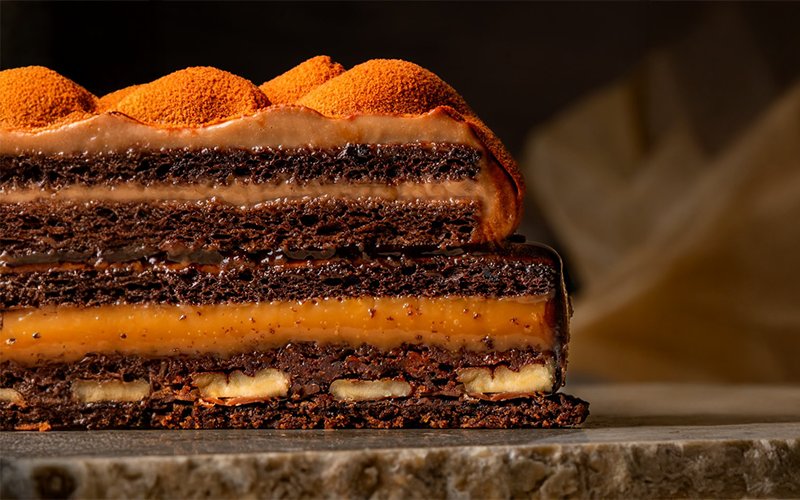
Softness can feel comforting, especially in cakes, but it alone is not always enough. A cake also needs enough structure to hold its shape, slice neatly, and feel composed on the plate. When softness and stability work together, the dessert feels light without seeming fragile.
Items such as Strawberry Shortcake, Bloom, and Ispahan show how a softer crumb or cream-based composition can still maintain definition. Strawberry Shortcake, for example, depends on the balance between airy sponge, cream, and fruit. Bloom and Ispahan bring a more refined sense of structure, where soft, delicate elements are held together with enough control to feel elegant.
This is why cravings for something sweet are often satisfied by desserts that seem soft, delicate, and carefully structured. A cake that stands neatly, cuts cleanly, and still feels light on the fork gives a sense of care before it is even tasted. The structure signals craft, while the softness gives the dessert its sense of comfort.
Why Does Balance Matter When Choosing Pastries and Cakes?
Sweet and Savoury Elements Create a Fuller Experience
Balance is not only about sweetness. A satisfying café or bakery experience often comes from moving between different flavour profiles. A sweet pastry may feel ideal with coffee, while a savoury option may be better suited to lunch, brunch, or a shared table.
Including savoury items such as Mentaiko Prawn and Nanban Chicken alongside sweeter pastries broadens the overall pastry selection. Mentaiko Prawn brings a creamy, umami-rich profile with a seafood sweetness that contrasts well against buttery bakes, while Nanban Chicken offers a more savoury, hearty bite with gentle tang and richness. These flavours give guests something more grounded than sweeter choices, making a croissant, cake, or tart feel more enjoyable afterwards. This movement between flavours keeps the experience from feeling too heavy in one direction.
In Singapore’s café and bakery scene, this balance is especially relevant. Guests may visit for a quick pastry, a quiet coffee, a relaxed lunch, an afternoon cake, or something to bring home for a celebration. A thoughtful mix of sweet and savoury choices allows the table to feel more complete.
Lighter Composition Prevents Flavour Fatigue
Rich desserts can be deeply enjoyable, but too much intensity can become tiring. When sweetness, creaminess, acidity, and texture are not balanced, a dessert may feel tempting at first but harder to enjoy after several bites. This is where composition matters.
Fruit can brighten a cream-based cake. Crisp pastry can offset a soft filling. A hint of acidity can lift sweetness. A clean finish can make a rich dessert feel more refined. These details help prevent cravings from becoming overwhelmed by excess sweetness or heaviness.
A more balanced composition allows each bite to remain inviting. It also makes desserts easier to share, especially during gatherings, celebrations, or café visits where several items may arrive at the same table. Rather than competing for attention, each item can offer its own rhythm of flavour, texture, and finish.
How Does Presentation Shape First Impressions?
Shape and Structure Guide: What Guests Reach For First
Visual form plays a significant role in selection. Before a guest thinks carefully about flavour, they often respond to shape, height, colour, symmetry, and finish. A dessert that looks composed is easier to understand at a glance, making it more inviting.
Items such as the acorn, squirrel, and mushroom pastries draw the eye before they are tasted because their shapes feel sculptural rather than flat. Their rounded forms, raised details, and playful silhouettes create a sense of dimension, allowing guests to view them almost like small edible centrepieces. Beyond colour and finish, these pastries suggest different textures within a single bite, from smooth cream and soft choux to richer fillings, delicate coatings, or gentle crunch. These visual cues help guests imagine the experience before the first forkful.
This is why dessert presentation matters in a café, at a celebration, or in a shared setting. When several pastries and cakes are placed together, the ones with clear structure and distinct form often stand out first. They feel easy to recognise, easy to choose, and easy to enjoy.
Consistency Creates a More Refined Spread
A dessert spread feels more polished when the items share a consistent level of detail. Pastries, buns, and cakes do not need to look identical, but they should feel as though they belong to the same standard of craft. Even surfaces, neat portions, glossy finishes, and controlled decoration all contribute to this impression.
For Alice Boulangerie, this consistency supports the experience of a modern French bakery that Singapore guests may return to for both everyday indulgence and special occasions. Whether someone is choosing a pastry with coffee or selecting whole cakes for a celebration, presentation helps shape expectations before the first bite.
Consistency also makes decision-making easier. When every item looks carefully finished, guests can focus on what they feel drawn to, whether that is something buttery and flaky, soft and creamy, bright and fruit-led, or rich and comforting.
How Does Variety Shape What We Choose?
Multiple Textures Keep the Selection Engaging
A varied selection encourages exploration. In a pastry shop, flaky pastries, soft cakes, filled buns, fruit-forward tarts, and savoury items all appeal to different preferences. This matters because guests do not always crave sweetness in the same way. Some may want the buttery lift of a croissant, while others may prefer a cream-layered cake, a savoury bun, or a tart with a brighter finish.
This variety becomes especially useful when desserts are shared. At a café table, celebration, or event spread, different textures help the selection feel more generous without relying on sweetness alone. One guest may reach for something crisp and flaky, another may prefer something soft and creamy, while someone else may enjoy a savoury option before returning to dessert.
A Curated Range Feels Clearer Than an Overcrowded Spread
A curated range feels clearer than an overcrowded spread. Too many similar choices can make selection difficult, while a more considered mix allows each item to serve a distinct purpose. One pastry may bring flakiness, another may offer richness, another may add fruit brightness, while a savoury item provides depth between sweeter bites.
Instead of presenting many items that feel visually or texturally similar, a customised selection can be shaped around the mood, guest profile, and dining format. For cakes, this may mean choosing a flavour profile, texture, size, or finish that suits the occasion, whether the preference leans towards something light and fruit-led, rich and chocolatey, creamy and delicate, or more visually playful. Guests who have a specific cake style or event spread in mind can contact Alice Boulangerie’s team to discuss a customised option that feels balanced, elegant, and suited to the celebration.
For guests, this makes choosing feel more intuitive. The selection feels generous without being cluttered, and each pastry, cake, or savoury item has a clear place within the overall experience.
How Do Sweet Cravings Reflect the Whole Dessert Experience?
Texture, Balance, and Presentation Work Together
A dessert’s appeal often comes from how its texture, flavour, and presentation work in harmony. Texture creates physical interest. Balance keeps the flavour enjoyable. Presentation forms the first impression. When these qualities align, a dessert feels more complete.
This is why certain pastries and cakes stand out more naturally. They do not rely on sweetness alone. Instead, they offer contrast, structure, visual clarity, and a sense of care. A crisp edge, a soft centre, a smooth layer of cream, or a bright fruit finish can each contribute to the overall pleasure.
The result is a dessert that feels appealing from the moment it is seen to the final bite.
The Most Memorable Desserts Feel Considered
Desserts that maintain structure, offer contrast, and present themselves clearly are often the ones people remember. Their appeal begins visually, continues through texture, and is sustained by balance, making each bite feel more complete rather than simply sweet.
At Alice Boulangerie, this is evident in how pastries, cakes, and contemporary European dishes are prepared to suit different moments of the day. A guest may come in for a flaky pastry with coffee, a comforting lunch, a celebratory cake, or a slower dinner, but the experience remains centred on craft, quality ingredients, and the pleasure of choosing something that feels thoughtfully made.
What Makes a Dessert Feel Worth Reaching For?
These cravings are influenced by more than taste. They are shaped by how desserts look, how they feel, and how their elements come together as a whole. From the crisp layers of Croissant and Pain au Chocolat to the soft structure of Strawberry Shortcake, Bloom, and Ispahan, every detail can influence what feels most appealing.
A considered dessert experience need not be excessive. It needs balance, clarity, craft, and sensory pleasure. When texture, presentation, and flavour work together, the result feels more satisfying, memorable, and enjoyable to share. Visit Alice Boulangerie to savour pastries, cakes, coffee, and contemporary European dishes shaped with care, craft, and a touch of everyday wonder.